Answer: Autodesk Revit 2027 introduces AI-driven enhancements, accelerated graphics, deeper Autodesk Forma connectivity, and refined cloud collaboration tools, giving architecture, engineering, and construction teams a faster, more intelligent way to manage BIM workflows Revit 2027 from early design through construction documentation.
The Challenge AEC Teams Face Before Upgrading
Modern AEC firms work with increasingly complex models, distributed teams, and tight delivery windows.Coordinating large federated models, managing issues across stakeholders, and keeping documentation aligned with design changes often consume hours that should be invested in design quality and project strategy.
Outdated workflows slow down decision-making, create rework, and limit how effectively teams can leverage cloud collaboration. That is precisely the gap Revit 2027 for AEC is built to close, offering smarter automation, better performance, and tighter integration across the Autodesk ecosystem.
What’s New in Revit 2027
What’s new in Revit 2027 centers on three priorities: speed, intelligence, and connectivity. This release expands BIM capabilities with tools designed to improve project coordination, modeling accuracy, and team collaboration across disciplines.
Key highlights include:
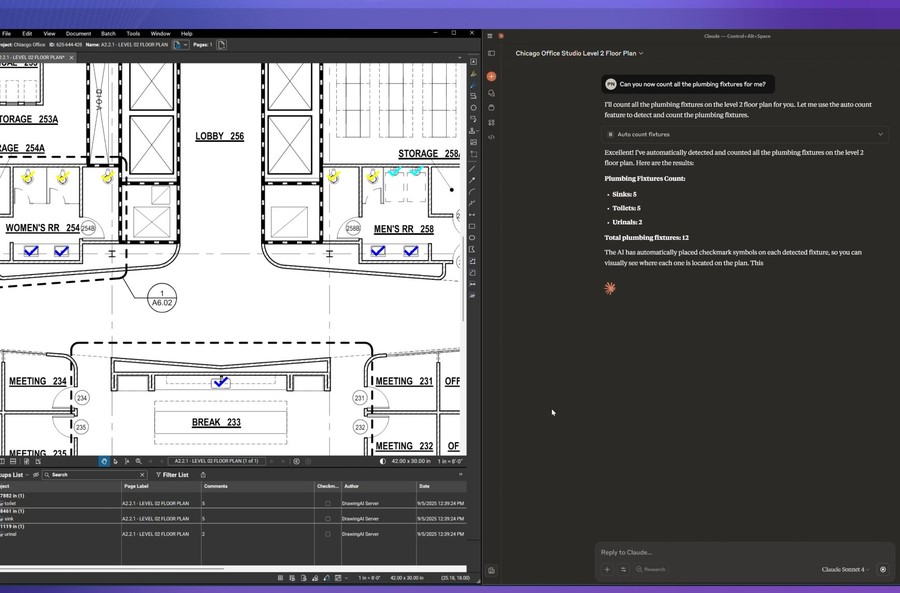
- AI-powered enhancements integrated through the Autodesk Assistant Revit experience, helping teams query commands, automate repetitive steps, and accelerate everyday modeling tasks.
- Revit 2027 Accelerated Graphics for smoother navigation in large models, faster view regeneration, and improved responsiveness on complex projects.
- Enhanced energy analysis workflows for more reliable sustainability decisions during early design.
- Expanded Autodesk Forma Revit 2027 connectivity, enabling smoother transitions between conceptual design and detailed BIM authoring.
- More efficient management of cloud-based models and issue tracking inside Autodesk Construction Cloud.
- Improvements to IFC interoperability, analytical modeling, and documentation workflows.
These updates make Revit 2027 new features especially relevant for teams handling multi-discipline coordination, sustainability requirements, and connected project delivery.
How Revit 2027 Improves BIM Workflows
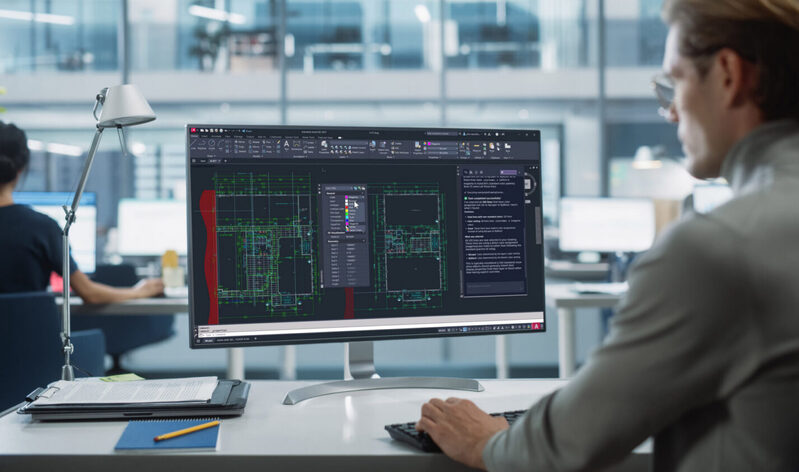
The platform is engineered to remove friction at every stage of the project lifecycle. Revit 2027 AI features assist designers with intelligent suggestions, faster access to commands, and contextual help inside the interface, reducing the learning curve for new users and increasing efficiency for experienced modelers.
On the performance side, accelerated graphics deliver tangible gains when working with detailed architectural models, MEP coordination layouts, or large structural assemblies. The result is less waiting, more designing.
For cloud collaboration, improvements in model management and issue tracking allow project teams to keep design intent, RFIs, and construction feedback connected in one environment. This continuity is critical for firms managing distributed teams across regions or hybrid work models.
Revit 2027 vs Revit 2026 Where It Makes a Difference
Comparing Revit 2027 vs Revit 2026, the most noticeable shift is the depth of AI assistance and the maturity of Forma integration. While Revit 2026 introduced foundational improvements in performance and interoperability, Revit 2027 advances them with a more cohesive connection between conceptual design, analytical modeling, and construction-ready documentation.
Teams already familiar with Autodesk Revit will find that adoption is straightforward, with refinements that respect existing workflows while unlocking new productivity gains. Firms migrating from older versions will experience an even more significant leap, particularly in graphics performance and cloud coordination.
Practical Scenarios Where Revit 2027 Delivers Value
Architecture studios working on early-stage concepts can iterate faster by moving fluidly between Forma and Revit, testing massing, sun exposure, and environmental performance before committing to detailed modeling.
MEP and structural engineering teams benefit from accelerated graphics and improved analytical modeling, which support cleaner coordination meetings and reduce clashes detected late in the project.
Construction-focused firms gain from tighter integration with Autodesk Construction Cloud, where issue tracking and model updates remain synchronized, helping site teams act on accurate, current information.
Multidisciplinary firms managing complex deliverables can use Revit 2027 download to standardize a more connected workflow across offices, reducing version conflicts and improving documentation reliability.
Revit 2027 Release Date, System Requirements, and Trial Access
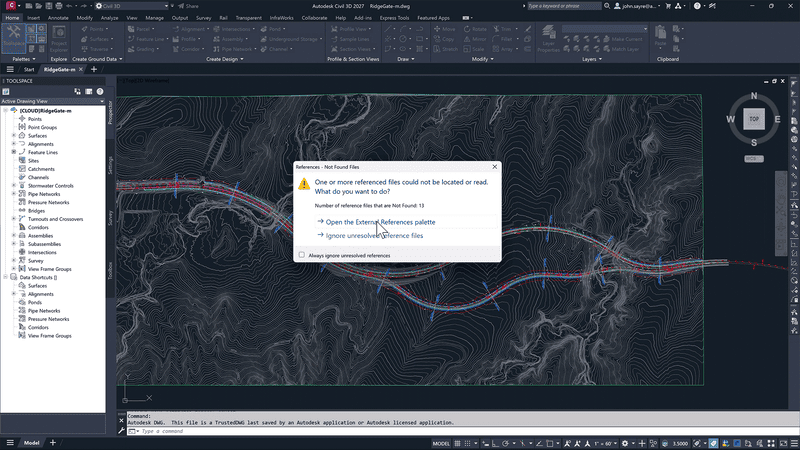
The Revit 2027 release date aligns with Autodesk’s annual product launch cycle, with availability through subscription channels and authorized Autodesk partners. Firms planning their upgrade should review the Revit 2027 system requirements carefully, especially around GPU capabilities, RAM allocation, and Windows version compatibility, to ensure the new graphics engine performs at its full potential.
Teams interested in evaluating the platform before committing can request a Revit 2027 free trial to test new features in real project conditions. This is a recommended step for firms planning a fleet-wide rollout, as it helps technical leads validate performance gains and identify training needs.
Differentials That Matter for Your Firm
Adopting Autodesk Revit 2027 is more than installing new software. It is an opportunity to redesign how your firm collaborates, documents, and delivers projects. The technology rewards teams that approach the upgrade strategically, with clear goals around productivity, coordination, and data continuity.
That is where working with an experienced Autodesk partner makes the difference. From assessing your current environment to planning deployment, training, and ongoing support, the right partner ensures your investment translates into measurable outcomes.
Recommendations Before Rolling Out Revit 2027
Before deployment, review hardware readiness, project templates, content libraries, and team skill levels. Schedule training aligned with each role, from BIM managers and modelers to project leads and reviewers. Define how cloud collaboration will be structured across teams and external stakeholders, and validate IFC and analytical workflows with a pilot project before scaling.
A structured rollout protects productivity during the transition and accelerates the return on your upgrade.
Move Your BIM Strategy Forward
Revit 2027 improves BIM productivity with enhanced collaboration, smarter project analysis, and more connected workflows. For AEC teams ready to advance their digital strategy, this release sets a strong foundation for faster decisions, more reliable data, and stronger project outcomes.
MicroCAD helps firms plan, implement, and optimize their Autodesk environments with the consultative approach that complex projects require. Explore how your team can take full advantage of the latest release and prepare for what comes next in connected design and construction.