AEC teams are moving beyond traditional cloud storage because generic platforms cannot handle the size, complexity, and security demands of architecture, engineering, and construction projects. Specialized solutions like Egnyte for AEC combine large file sharing, BIM compatibility, version control, and enterprise-grade security in a single environment built for real project workflows.
The Real Problem With Traditional Cloud Tools in AEC Workflows
Most general-purpose cloud platforms were never designed for the size, structure, or pace of AEC projects. Teams working with multi-gigabyte Revit models, federated BIM coordination files, or point cloud scans quickly hit the limits of consumer-grade tools. Slow sync times, broken file references, and constant version conflicts become daily friction points.
The issue gets worse when external consultants, contractors, and owners enter the workflow. Traditional folders cannot enforce permissions at the granularity AEC firms need, and AEC data security and compliance requirements often clash with the loose sharing models found in mainstream platforms.
When deadlines depend on accurate documentation, those gaps translate into rework, errors, and exposure to risk.
Why Specialized Cloud Storage Outperforms Generic Platforms
The shift toward purpose-built cloud storage for AEC firms is not about replacing one tool with another. It is about aligning the technology stack with how design and construction teams actually work.
A dedicated construction industry cloud platform brings together file integrity, audit trails, project structure, and external collaboration in ways that generic storage solutions simply cannot match. Architects, engineers, and project leaders can finally stop worrying about whether the model they opened is the right one.
That is the core reason firms are moving on. They need infrastructure that respects how their files are built, linked, and used.
How a Purpose Built AEC Platform Actually Works
A modern AEC file sharing software does more than store files. It treats project data as a living system that must be accessed, locked, versioned, and shared across distributed teams without breaking integrity.
Secure Collaboration Across Teams and Partners
Project teams need to share large documentation packages with consultants and owners without sacrificing control. Smart permission layers, expiring links, and audit logs make external collaboration safer, while supporting AEC project collaboration software standards expected by clients and regulators.
Smart File Management for Large Project Data
From BIM file management to drawings, schedules, and reality capture data, the platform organizes everything in a structure that mirrors real project hierarchies. Tools for large file sharing for construction keep performance fast even when files reach tens of gigabytes, and intelligent caching ensures local-speed access for distributed offices.
What Sets Egnyte Apart for AEC Firms
Egnyte was designed to support the realities of design and construction. It is one of the few solutions purpose-built to handle CAD files, BIM models, point clouds, and interconnected documentation while keeping data secure and governed.
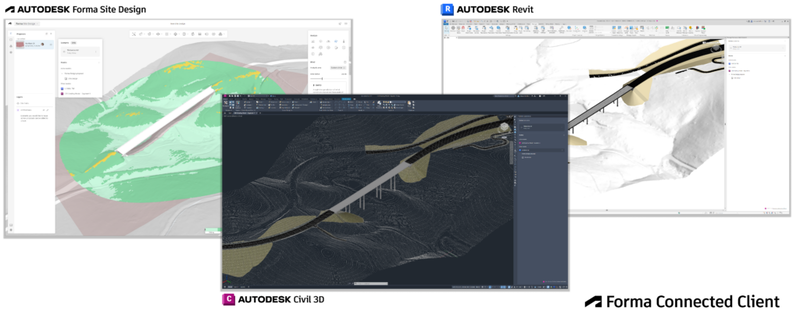
With native integrations for Autodesk, Bluebeam, and Procore, it slots directly into existing workflows. Features like global file locking, granular version control, ransomware protection, and AI powered content insights bring a new level of professional rigor to construction document management software.
For firms evaluating Egnyte vs Dropbox for construction, the difference is clear. Dropbox handles files. Egnyte handles projects.
It also supports flexible deployment, including hybrid cloud storage for construction, which matters for firms that still rely on on-site servers for jobsite trailers or large model rendering. That combination of cloud agility and local performance is becoming the new baseline for the best cloud storage for engineering firms.
Common Scenarios Where Traditional Storage Fails
Consider a multi-office architecture firm collaborating on a hospital project. Designers in three time zones open the same Revit central model. With traditional cloud storage for architects, sync delays and overwritten worksets become routine. Switching to Revit cloud collaboration through a specialized platform eliminates those conflicts and keeps the design intent intact.
Now picture an engineering team coordinating with five subcontractors on a renewable energy facility. Each subcontractor needs access to specific drawings, but not the entire project. With proper AutoCAD file sharing cloud controls, the team can grant scoped access, track every download, and revoke permissions instantly when scopes change.
In media, manufacturing, and AEC, these scenarios repeat every week. The cost of friction adds up fast.
Recommendations Before Switching Your AEC Cloud Strategy
Before migrating, take time to audit how your team actually shares and stores project data today. Ask where the bottlenecks live. Identify which file types create the most problems and which integrations matter most for daily work.
A few practical recommendations help avoid common pitfalls. Map your project folder structure to a platform that supports it natively. Validate that the chosen tool handles your largest model sizes without performance loss.Check security features against the standards your clients expect, and confirm that the platform supports both office-based and field-based teams.
A consultative partner with real AEC implementation experience makes the difference between a smooth rollout and months of disruption.
Move Your AEC Data Where It Belongs
The firms gaining ground today are the ones treating their project data as a strategic asset, not just files in a folder. With Egnyte, AEC teams keep project data secure, organized, and accessible across teams, offices, and external partners.
At MicroCAD, we help architecture, engineering, and construction organizations design the right cloud strategy, implement Egnyte with confidence, and unlock measurable gains in productivity, security, and collaboration across every project stage.