Civil 3D 2027 brings AI-assisted design guidance, centralized cloud coordination through Forma Data Management Essentials, and practical upgrades to grading, drainage, automation, and interoperability. For civil engineering teams, this translates into faster design cycles, fewer repetitive tasks, and more accurate collaboration across the entire project lifecycle.
Why Many Civil Teams Still Lose Hours Every Week
Infrastructure projects rarely stall because of a lack of talent. They slow down because of fragmented data, manual rework, and drawings that live in disconnected silos. Engineers spend real time chasing the latest file version, redoing grading iterations, and reconciling changes that should have synced on their own.
If any of that sounds familiar, the newest release of Autodesk Civil 3D software was shaped with those frustrations in mind. Instead of adding features to justify a version number, this update targets the parts of the workflow that quietly drain productivity from talented teams.
What Civil 3D 2027 Brings to Your Infrastructure Workflows
The Civil 3D 2027 new features revolve around three ideas: intelligent assistance, connected data, and less manual effort. Here is where they make the biggest difference in daily work.
An Autodesk Assistant That Reads the Context of Your Design
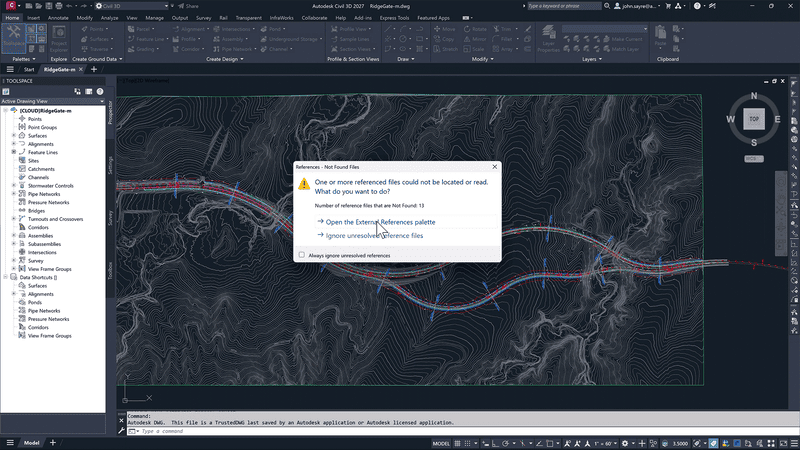
The enhanced Autodesk Assistant now offers AI-powered guidance with contextual drawing analysis. Rather than searching through menus or documentation, engineers can ask questions and get relevant answers based on what is actually happening in the drawing. That shortens the learning curve for newer staff and helps experienced users move faster through complex tasks.
Forma Data Management Essentials for Connected Coordination
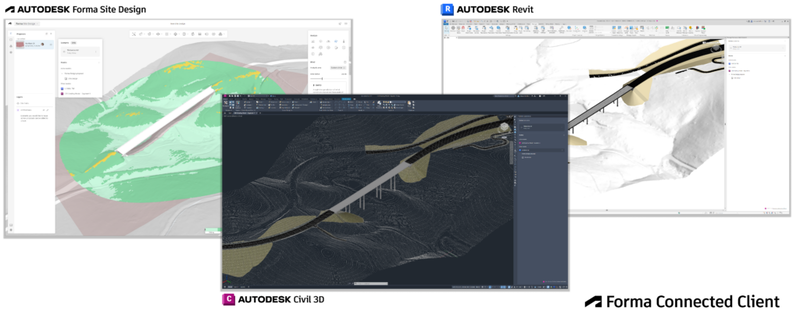
With Forma Data Management Essentials, project information lives in a centralized, cloud-based environment. Teams coordinate from a shared source of truth, which cuts down on version conflicts and keeps distributed offices aligned. For firms working across multiple locations or with external partners, this is a concrete step toward dependable collaboration.
Smarter Grading, Drainage, and Automation
The release also refines grading and drainage tools and expands automation for repetitive steps. Paired with stronger interoperability, these updates help data move cleanly between disciplines and platforms, so your models stay consistent from early concept through final delivery.
How the New Features Fit Into Daily Engineering Work
Adoption matters more than novelty. In practice, these tools support the work your team already does. An engineer refining a corridor can lean on automation to handle repetitive edits. A project lead can rely on cloud coordination to confirm that everyone is building from the current dataset. A designer facing an unfamiliar command can ask the assistant instead of pausing the entire task.
Because Autodesk Civil solutions are built to work together, the value compounds when the assistant, cloud data, and design tools operate as one connected system rather than a set of isolated features.
What Sets This Release Apart
Plenty of updates promise efficiency. What makes Civil 3D 2027 stand out is the shift from scattered improvements toward a connected, intelligent workflow. The AI assistance is grounded in your actual drawings. The data management is centralized instead of bolted on afterward. And the automation removes the tasks engineers least enjoy, freeing time for higher-value design decisions.
This is where Civil engineering design software is clearly heading: less time managing files, more time engineering outcomes that hold up in the field.
Real Scenarios Where the Upgrade Pays Off
Consider a transportation firm coordinating roadway and drainage design across two offices. With centralized cloud data, both teams work from the same model and avoid the costly rework that comes from outdated files circulating over email.
Or picture a growing consultancy onboarding junior engineers. The contextual assistant helps new hires become productive sooner, without pulling senior staff away from billable work to answer routine questions.
For a land development team facing tight deadlines, automation and refined grading tools shorten the path from survey data to a buildable design, keeping the project on schedule and the client informed.
How to Get the Most Out of Your Upgrade
A smooth transition depends on more than a quick install. Before you plan a Civil 3D download or a firmwide rollout, it helps to review your current workflows, pinpoint where automation and cloud coordination will deliver the fastest wins, and prepare your team with focused, role-based training.
This is where working with a certified partner changes the result. MicroCAD guides civil engineering teams through licensing, implementation, and real adoption of Autodesk Civil 3D software, so the technology produces measurable results instead of sitting underused after purchase.
A Smarter Path to Modern Infrastructure Design
The 2027 release gives civil engineers a real advantage: intelligent assistance, connected project data, and workflows that respect their time. The teams that gain the most are the ones that pair the software with a thoughtful adoption plan and the right expert support behind it.
Smarter infrastructure design starts with AI-enhanced workflows and connected project data.
Learn more at https://microcad3d.com/autodesk-civil-3d/