How do civil engineering teams keep complex infrastructure models aligned when designs are constantly evolving and teams are spread across locations?
Civil engineering projects generate large volumes of data, frequent design updates, and constant coordination between disciplines. Managing that complexity becomes even more challenging when teams are not working from the same place or the same version of a model. This is where cloud-based collaboration supported by BIM Collaborate Pro and design tools like Civil 3D is reshaping how civil teams coordinate, review, and deliver projects.
Instead of relying on disconnected files and manual exchanges, teams can work from a shared environment that keeps models aligned and communication clear.
The Reality of Collaboration in Civil Engineering
Civil engineering projects are rarely linear. Designs evolve, constraints shift, and new information appears throughout the project lifecycle. Road alignments, grading models, drainage systems, and utility networks all need to stay aligned, even as teams work from different offices or locations.
Traditional file-based workflows often struggle to keep up with this reality. Sending models back and forth can lead to version confusion and delays. Cloud-based BIM collaboration offers an alternative that feels more natural for modern project teams, especially when coordination is continuous rather than occasional.
What Cloud-Based BIM Collaboration Really Means
Cloud-based BIM collaboration is not just about storing files online. It is about creating a shared environment where teams can access, review, and coordinate models in real time. With BIM Collaborate Pro, civil engineering teams work within a centralized platform that keeps design data connected and accessible.
Instead of asking which model is current, teams can rely on a shared source of truth. This makes coordination more transparent and reduces the friction that often slows projects down, especially during critical design phases.
BIM Collaborate Pro as the Coordination Hub
BIM Collaborate Pro sits within the Autodesk Construction Cloud ecosystem and focuses heavily on model management and coordination. For civil engineering teams, this means having a dedicated space to bring together models from different disciplines and review how they interact.
The platform supports model aggregation, automated clash detection, and issue tracking. These features help teams identify conflicts early, whether they involve grading surfaces, utilities, or interfaces with structures. By catching issues sooner, teams can resolve them before they turn into costly changes later in the project.
Connecting Civil 3D Models in the Cloud
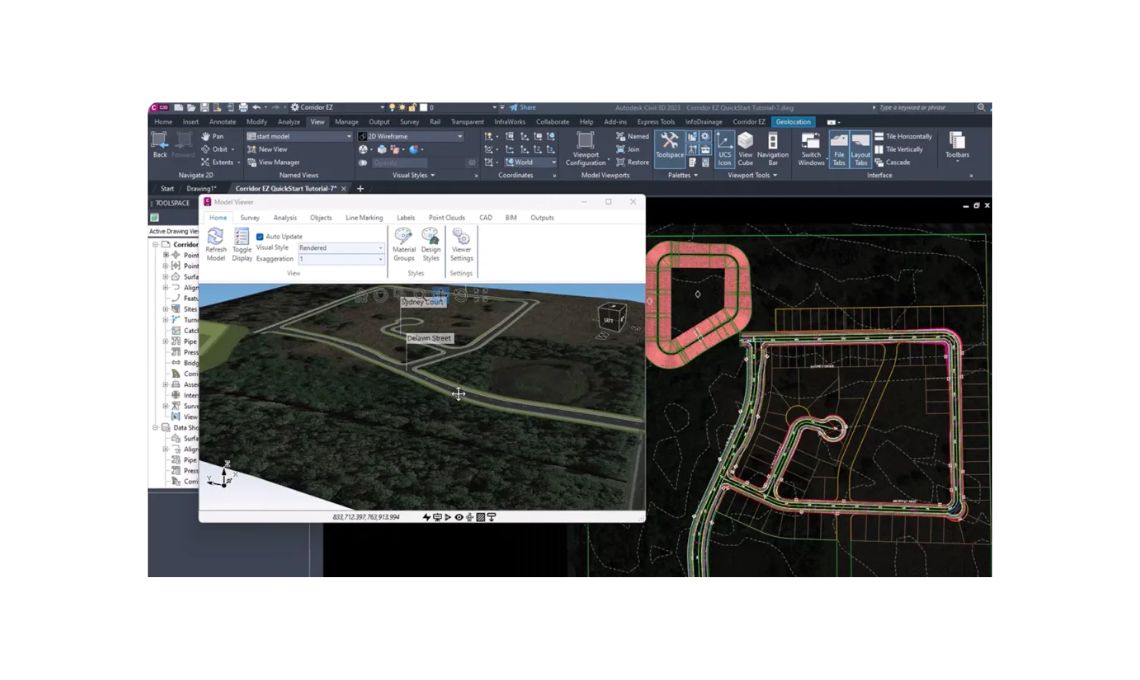
Civil 3D remains a core design tool for civil engineers, especially for corridors, surfaces, and alignments. Cloud-based collaboration does not replace Civil 3D but extends its value by connecting models to a broader coordination environment.
When Civil 3D models are shared through BIM Collaborate Pro, they become part of a larger conversation. Other stakeholders can review the models without needing deep technical expertise, while designers continue working in familiar desktop tools. This balance allows technical precision and broader visibility to coexist.
Improving Model Review and Understanding
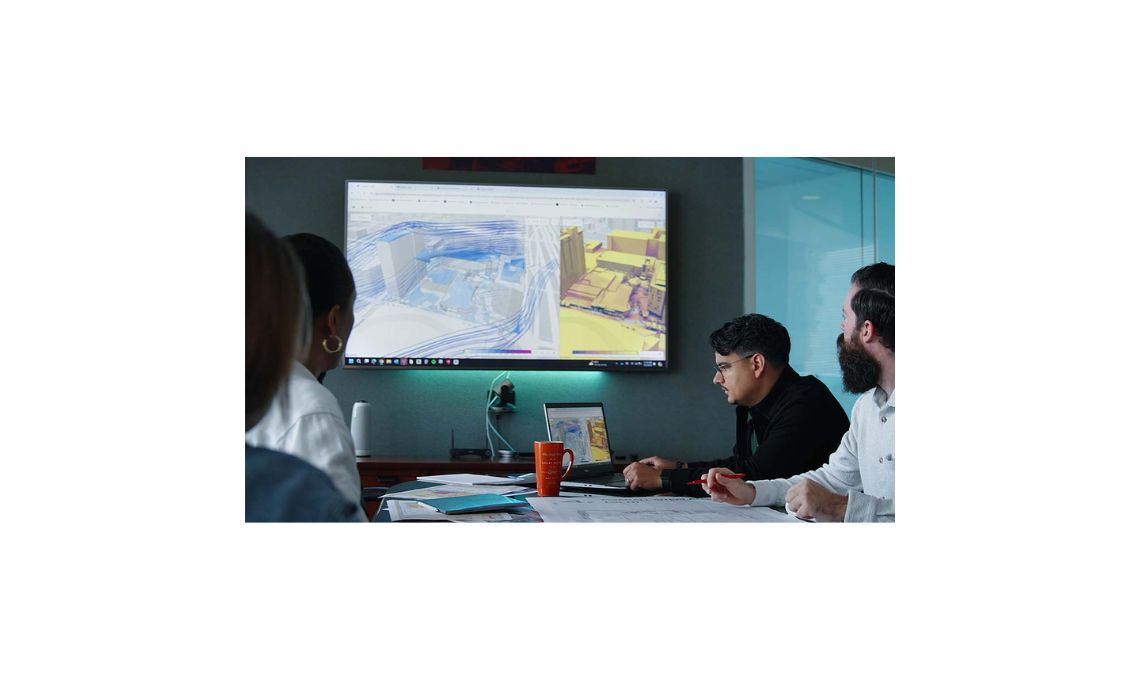
One of the practical benefits of cloud-based collaboration is how it simplifies model review. Instead of relying on static screenshots or long explanation emails, teams can review 3D models directly in the cloud.
This visual approach helps reduce misunderstandings, especially when discussing complex geometry or site conditions. Issues can be marked directly on the model, assigned to team members, and tracked through resolution. Over time, this creates a clearer record of decisions and design intent.
Reducing Clashes and Rework
Clashes in civil projects often involve more than just physical conflicts. Misaligned data, outdated references, or unclear responsibilities can also lead to rework. BIM Collaborate Pro helps address these challenges by keeping models aligned and visible across the team.
Automated clash detection highlights conflicts early, while issue tracking ensures they are addressed in an organized way. This structured approach helps teams move from reactive problem solving to proactive coordination, which can significantly reduce rework and delays.
Supporting Teams Across Locations
Civil engineering teams are increasingly distributed. Designers, reviewers, and project managers may be working from different cities or even different countries. Cloud-based BIM collaboration supports this reality by providing consistent access to models and project information.
With BIM Collaborate Pro, location becomes less of a barrier. Teams can collaborate asynchronously, review updates when it suits them, and stay aligned without constant meetings. This flexibility supports more efficient workflows and helps teams adapt to changing project demands.
A More Connected Way to Deliver Civil Projects
At its core, cloud-based BIM collaboration is about improving alignment. When everyone works from the same models and information, decisions become clearer and coordination feels less forced.
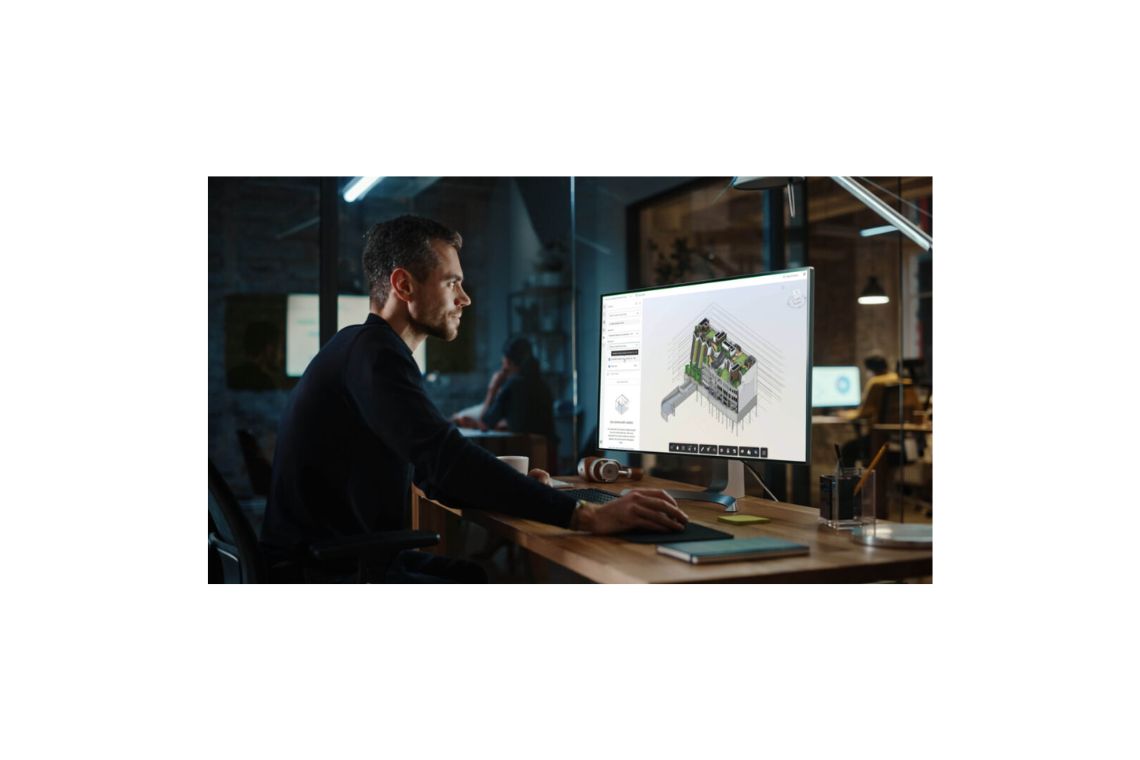
Integrated cloud-based model coordination and collaboration that enhances civil project alignment and delivery.
For civil engineering teams using tools like Civil 3D, BIM Collaborate Pro provides a practical path toward more connected workflows. It does not ask teams to change how they design, but it does make it easier to share, coordinate, and deliver projects with confidence. Over time, that clarity can make a noticeable difference in both project outcomes and team experience.