The key construction industry entered 2026 with a single topic dominating every panel, hallway conversation, and exhibition floor: the extraordinary expansion of data center construction. Held on March 18–19 at the Javits Center in New York City, New York Build 2026 brought together contractors, designers, engineers, and developers from across the country to examine how artificial intelligence, cloud computing, and digital infrastructure are reshaping the way we build. From the rapid pace of hyperscale projects to the growing tension between demand and the region’s aging power grid, the event revealed a construction sector balancing enormous opportunity with real logistical, regulatory, and social challenges. Here is a clear, verified breakdown of the most important insights New York Build 2026 delivered for builders, investors, and anyone following New York’s evolving building landscape.
Data Centers Take Center Stage at New York Build 2026
If one idea united New York Build 2026, it was this: data center construction is no longer a niche specialty it is the engine pulling the rest of the nonresidential market forward. According to the Associated General Contractors of America’s 2026 Outlook Survey, data centers and power facilities represent the lion’s share of project opportunities this year, while expectations for most other sectors remain dampened.
The Dodge Momentum Index reinforced this reality: March 2026 marked the first monthly uptick in construction planning of the year, rising 1.8% almost entirely thanks to data center activity. Panelists across the event agreed that the artificial intelligence buildout is fueling demand at a pace the industry has rarely seen, with tech giants committing hundreds of billions of dollars to U.S. data center campuses since early 2025.
Why the Boom Matters for New York Building Professionals
For contractors focused on New York Building, the implications are twofold. First, hyperscale opportunities are expanding rapidly beyond traditional hubs. Second, New York City’s dense urban environment makes it uniquely suited for “edge” data center deployments smaller, distributed facilities positioned close to end users an area panelists identified as the city’s strongest near-term play.
Power Infrastructure: The Defining Constraint
One theme echoed across nearly every panel: reliable power access is now the single most important variable in determining where a data center gets built. Panelists explained that strong AI-driven demand in New York is colliding with an aging electrical grid and strict environmental regulations, a mismatch that could ultimately limit the region’s ability to compete for multibillion-dollar hyperscale projects.
New York’s Aging Grid Challenge
New York’s power landscape presents a paradox. The state has tremendous appetite for digital infrastructure investment, yet constrained transmission capacity, long interconnection queues, and permitting complexity can stall projects for years. Developers are responding in several ways:
-
Targeting sites with existing power availability, such as brownfield industrial parcels already connected to high-capacity feeds.
-
Pursuing edge and colocation deployments within the five boroughs, where smaller megawatt profiles avoid the biggest grid bottlenecks.
-
Exploring behind-the-meter generation and on-site energy strategies to bypass utility congestion.
For builders, this shift means early engagement with utilities, energy consultants, and environmental reviewers is no longer optional it is the critical path.
Community Sentiment as a Project Risk
Perhaps the most striking takeaway from New York Build 2026 was how forcefully panelists framed community opposition as a direct construction risk. Rob LoBuono, a principal at design firm Gensler, told attendees that public sentiment is the number one concern in the market right now, pointing to legitimate worries about noise, construction disruption, and potential pollution when facilities are not designed thoughtfully.
Regulatory Pushback and Moratoriums
The regulatory environment is tightening fast. Lawmakers in New York have proposed a three-year moratorium on new data center construction over 20 megawatts, while Maine has introduced legislation to freeze large data center construction until November 2027. Panelists concluded that developers who fail to earn community buy-in will increasingly face political resistance, permitting delays, or outright rejection.
The practical takeaway: treat community benefits as part of the project scope. That can mean infrastructure upgrades to surrounding neighborhoods, noise mitigation design, workforce training commitments, or transparent environmental reporting each now a meaningful differentiator when bidding on urban data center work.
Construction Data Quality and Coordination
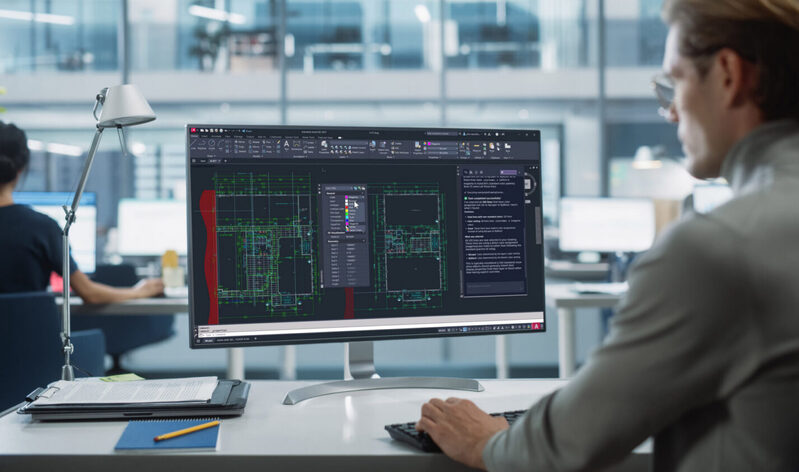
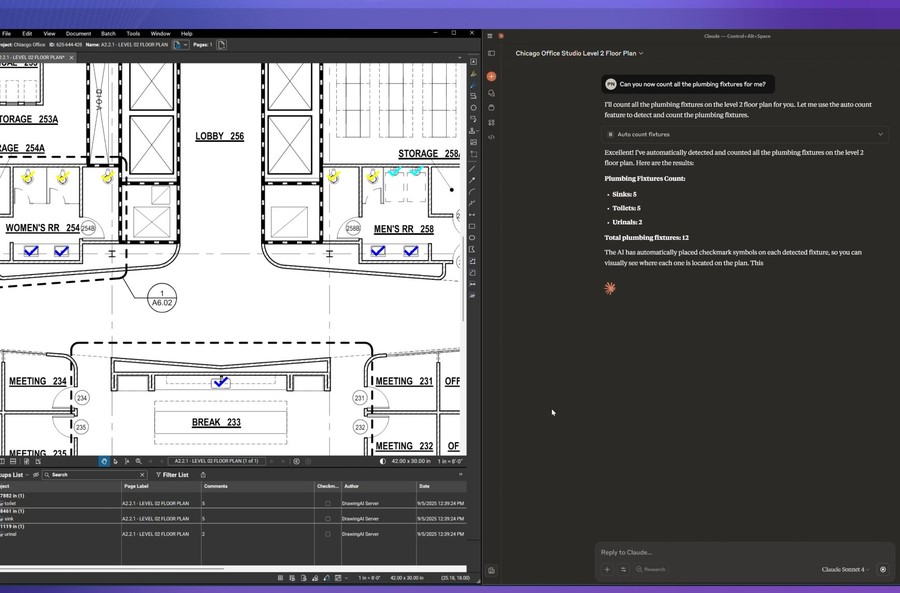
A third dominant theme at the conference was the quality of construction data itself. Data center projects are extraordinarily tech-heavy, and what might be a manageable error on a traditional build can trigger immediate, cascading consequences on a hyperscale facility. Panelists emphasized that strong coordination among architects, engineers, MEP trades, and owners supported by clean, accurate, and shared project data is now a baseline requirement.
Leveraging Autodesk Forma for Modern Data Center Delivery
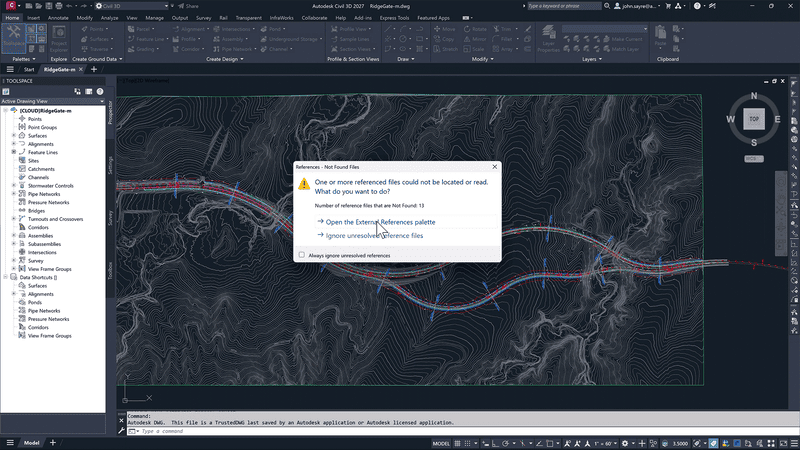
Cloud-based design and planning platforms have become central to meeting this bar. Teams are increasingly turning to Autodesk Forma (Former ACC) for data center projects to unify early-stage site analysis, environmental simulation, and collaborative design data in one connected environment. By integrating solar, wind, noise, and operational energy studies into the earliest planning phases, Forma helps project stakeholders identify risks, optimize site layouts, and align teams long before ground breaks an advantage that is particularly valuable when power constraints, community scrutiny, and tight timelines all converge on the same project.
Prefabrication and Speed to Market
With timelines compressing, New York Build 2026 panelists highlighted prefabrication as one of the few strategies capable of keeping pace with data center demand. LoBuono noted that teams now preengineer, preplan, and prefabricate a significant share of their systems, and that in many cases modular construction is the only viable way to hit the speeds the market is demanding.
Shifting work off-site delivers three practical benefits:
-
Labor relief in a market still constrained by skilled trades shortages.
-
Tighter quality control, since components are built in controlled factory conditions.
-
Schedule predictability, a crucial advantage when tenants expect fast commissioning of AI-ready capacity.
Opportunities Beyond the Megaprojects
While headlines often focus on multibillion-dollar hyperscale campuses, New York Build 2026 reinforced that the data center boom extends far beyond the buildings themselves. Grid upgrades, substations, access roads, water infrastructure, and specialty civil work all create substantial opportunities for small and midsize firms. Industry experts pointed out that a significant share of data-center-related construction is happening around the facility rather than inside its footprint, opening the door for specialty civil, utility, and trade contractors to participate meaningfully in the AI buildout.
Frequently Asked Questions
What is New York Build 2026?
New York Build 2026 is one of the largest construction and design industry expos in the northeastern United States, held annually at the Javits Center in Manhattan. The 2026 edition ran March 18–19 and gathered thousands of contractors, developers, architects, and policymakers for panels, networking, and workshops focused on the state of the industry.
Why were data centers the top topic at the conference?
Data centers dominated because they are the single largest driver of nonresidential construction planning today. The AI buildout is pushing unprecedented capital into digital infrastructure, and the sector is propping up overall industry momentum at a time when many other segments are softening.
What are the biggest challenges facing data center construction in New York?
The three most discussed challenges were limited power availability on an aging grid, community opposition and the threat of moratoriums on large facilities, and the need for extremely high-quality construction data to deliver these tech-heavy buildings without costly errors.
How does Autodesk Forma help with data center projects?
Autodesk Forma supports early-stage planning, environmental analysis, and collaborative design on a cloud platform. For data center projects, that means teams can simulate energy, noise, and site conditions, coordinate across disciplines, and surface risks before detailed design begins exactly the kind of coordination New York Build 2026 panelists said is now essential.
Is there really going to be a moratorium on data centers in New York?
A three-year moratorium on data centers over 20 megawatts has been proposed by New York lawmakers, though it has not been enacted. Similar legislation has been introduced in other states, signaling a broader regulatory shift that developers must plan for.
What can smaller contractors do to participate in the data center boom?
Smaller firms can target the infrastructure surrounding data centers: grid upgrades, site civil work, utility tie-ins, access roads, and specialty trades. This ecosystem of supporting work represents a meaningful and growing share of the total opportunity.
Final Thoughts
New York Build 2026 made one thing clear: the data center era is reshaping construction faster than any trend in recent memory, and the winners will be the firms that combine technical excellence with community awareness, regulatory fluency, and digital coordination tools. For builders following New York Building developments, the path forward involves pairing the right teams with the right technology planning earlier, coordinating deeper, and treating each project as both a technical achievement and a community commitment.
MicroCAD helps construction teams manage the complexity of data center projects with the digital tools and workflows needed for high performance infrastructure design and coordination.