The ever-evolving landscape has always demanded innovative solutions to the age-old architecture, engineering, and construction challenges. Traditional methods have often been hindered by communication gaps, design errors, and the limitations of envisioning complex structures. However, Virtual Reality (VR) has ushered in a new era, seamlessly connecting reality and construction in previously unimagined ways.
Next, we will delve into the revolutionary impact of VR in reshaping the construction industry, exploring its immersive applications in 3D modeling, laser scanning, and drone photogrammetry.
The Evolution of Construction Technology
The architecture engineering & construction collection industry has seen remarkable progress, from computer-aided design (CAD) to Building Information Modeling (BIM). While these technologies have certainly improved the design and planning phases, challenges persisted when visualizing and communicating complex ideas. This is where VR steps in as a transformative force.
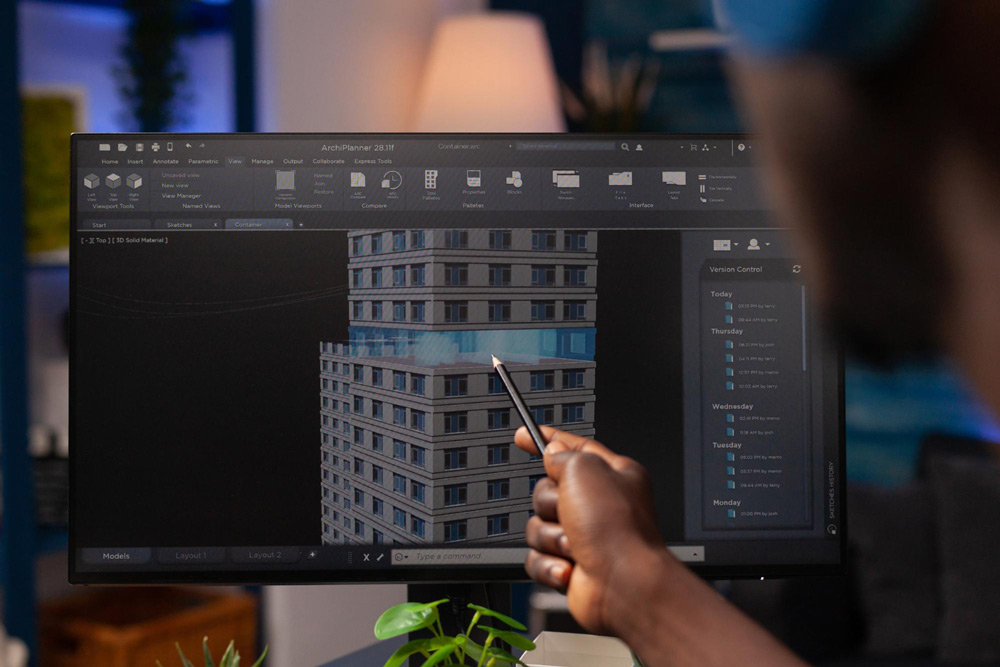
The Power of 3D Modeling in VR
One of the cornerstones of the VR revolution is its ability to bring 3D modeling to life in previously impossible ways. Architects, engineers, and stakeholders can now collaborate in real time within virtual environments, overcoming the limitations of traditional 2D blueprints.
This immersion fosters better communication and provides a comprehensive understanding of spatial relationships, scale, and design intricacies. Consequently, errors and design flaws can be identified and rectified early, minimizing costly rework during the physical construction phase.
Laser Scanning and VR: Transforming Reality
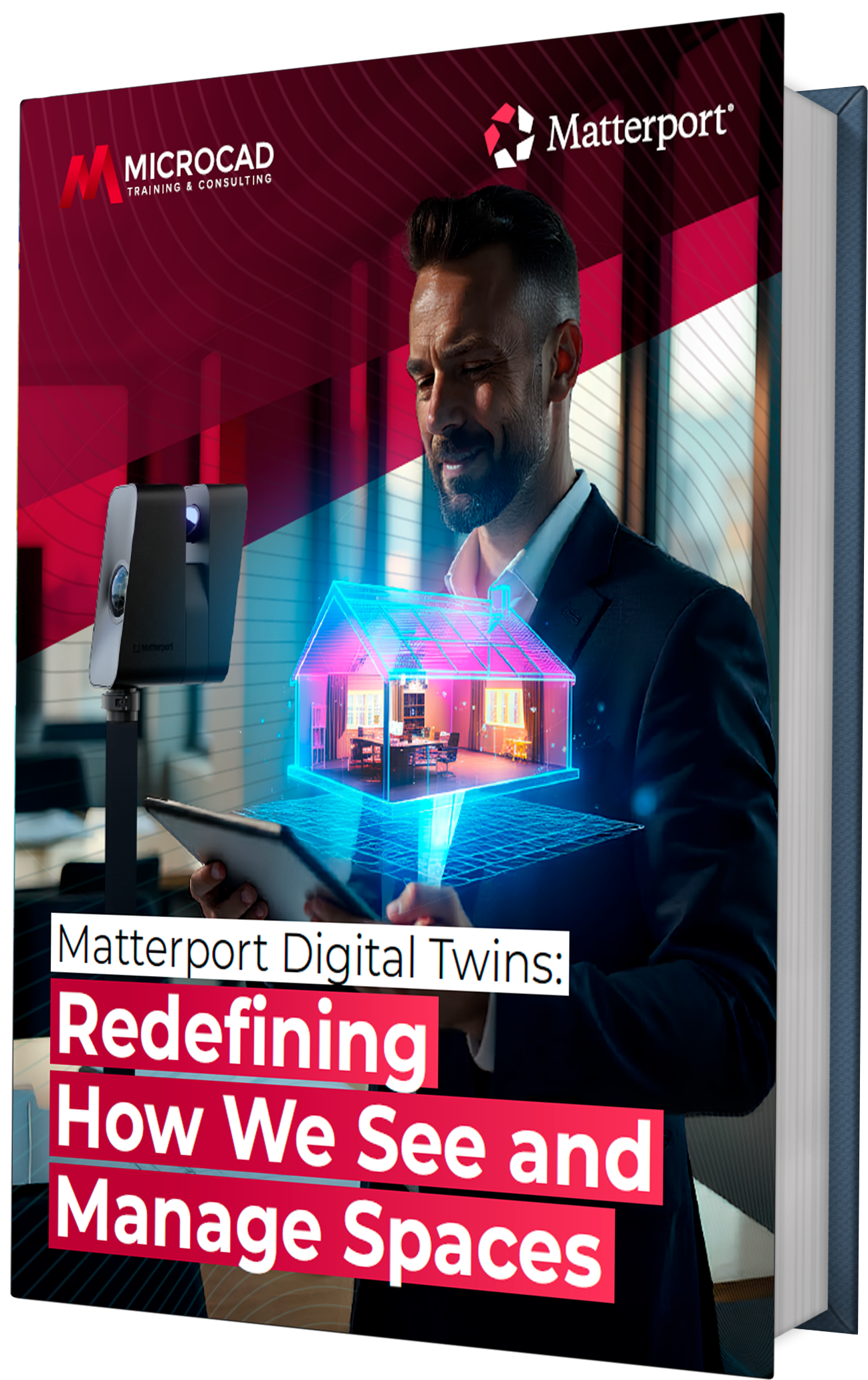
Laser scanning has emerged as a game-changer in data collection for existing structures and sites. These high-precision 3D scans can now be seamlessly integrated into VR environments, providing architects and engineers with an accurate representation of the existing conditions.
This data-driven approach enhances project planning, renovation strategies, and historic preservation efforts. By virtually stepping into the scanned environment, professionals can assess challenges, plan modifications, and ensure more accurate execution of their vision.
Drone Photogrammetry: A New Perspective
Aerial data collection through drones has revolutionized the industry’s site analysis and progress-tracking approach. Drone photogrammetry captures detailed images from above, which can then be used to generate accurate 3D models.
The integration of VR takes this data to a whole new level, enabling professionals to explore the virtual landscape, identify potential bottlenecks, and make informed decisions about design and construction methodologies. This real-world data merged with virtual environments allows for a comprehensive overview that aids in smoother project execution.
Stepping into the Virtual Construction Site
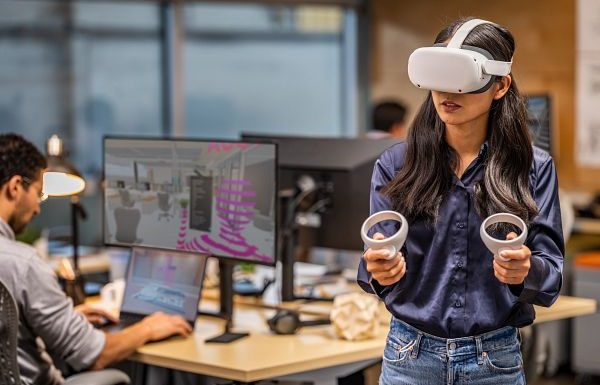
The hallmark of VR in construction is its ability to transport users into the heart of their designs. VR headsets provide an immersive experience, enabling architects, engineers, and stakeholders to walk through structures before they are built virtually.
This immersive walkthrough experience transcends flat plans and computer screens, allowing a deeper understanding of spatial arrangements and design elements. Real-time adjustments can be made, ensuring the final product aligns perfectly with the intended vision.
Overcoming Construction Challenges with VR
VR’s impact isn’t limited to design and planning; it also addresses long-standing challenges faced during construction. Communication gaps among stakeholders can lead to misunderstandings and delays. However, VR facilitates clear communication by allowing all parties to experience and understand the project in a shared virtual space.
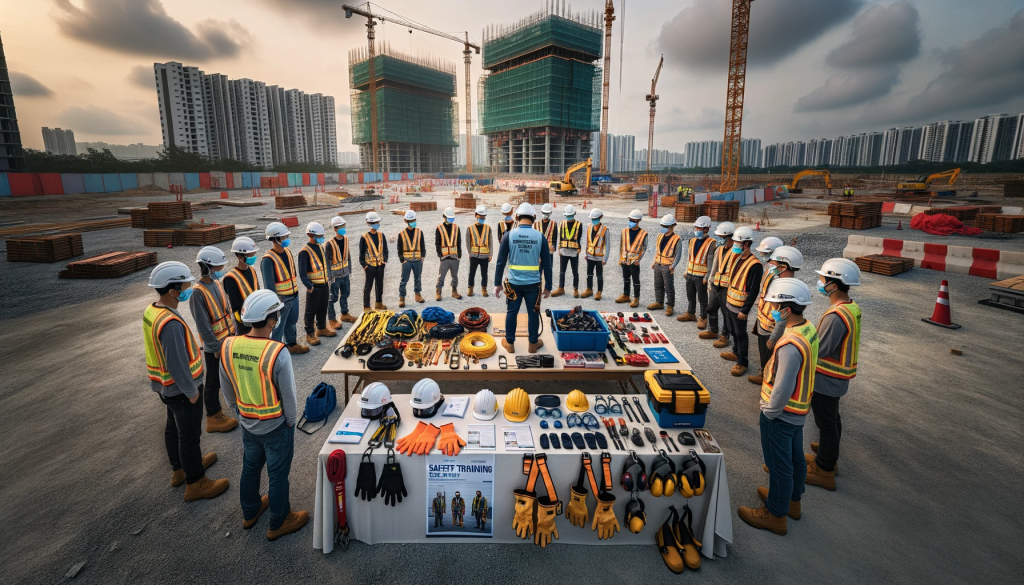
Furthermore, the ability to detect and rectify errors early significantly reduces rework and construction delays, ultimately resulting in cost savings and enhanced project timelines. VR also finds a place in safety training and risk assessment, simulating potential hazards and training workers in a controlled virtual environment.
Embracing the VR Revolution: Industry Examples
Numerous companies have already embraced the VR revolution and are reaping its rewards. For instance, XYZ Architecture successfully implemented VR in its project design and presentation, resulting in higher client satisfaction and faster decision-making processes. ABC Engineering utilized VR for complex structural analysis, improving design accuracy and enhancing collaboration with architects.
These early adopters showcase VR’s competitive edge to those willing to embrace its transformative potential.
The Future Landscape of Construction with VR
The journey of VR in construction is far from over. As technology continues to evolve, so does VR’s potential impact. Continued advancements in VR technology promise even more realistic and interactive experiences.
Furthermore, integrating VR with emerging technologies like Augmented Reality (AR) and Artificial Intelligence (AI) presents new dimensions for project planning, execution, and management. Imagine a future where clients and investors can take virtual walkthroughs, experiencing their investments before they materialize.
Addressing Challenges and Ethical Considerations
However promising, the adoption of VR in construction also comes with challenges. Data security and privacy concerns arise as sensitive project information is stored and shared digitally. Robust cybersecurity measures must be in place to safeguard against potential breaches.
Moreover, training and upskilling the workforce to utilize VR tools effectively is crucial. Inclusivity and accessibility must also be considered, ensuring that VR-driven processes are usable by all team members, regardless of their background or abilities.
Conclusion
In the architecture engineering & construction collection industry, the VR revolution is rewriting the game’s rules. It bridges the gap between reality and construction, transforming how projects are envisioned, planned, and executed.
Through the power of 3D modeling, laser scanning, drone photogrammetry, and immersive VR experiences, construction professionals are better equipped than ever to overcome challenges and deliver exceptional results.
As we stand on the threshold of this exciting transformation, the invitation is clear: embrace the VR revolution and reshape the future of construction.