The world is changing fast. With climate change, evolving regulations, and new ways of living, the architecture, engineering, and construction (AEC) industry is under pressure to rethink how we use space. Instead of focusing only on new construction, experts are turning to something more sustainable: upgrading the buildings we already have.
In fact, nearly 75% of the buildings standing today are expected to still be in use by 2050. That’s why adaptive reuse and retrofitting are becoming so important. And when it comes to managing these complex renovation projects, digital tools like Bluebeam are proving essential. They help teams collaborate, track changes, and keep everything running smoothly from start to finish.
What is adaptive reuse and why does it matter?
Adaptive reuse is all about taking an old building and giving it a new purpose. Think of an old warehouse turned into loft apartments or a retired church becoming a bookstore. Instead of demolishing and starting over, we keep what’s already there and build on it.
This approach saves time, money, and natural resources. But it’s not always easy. Older buildings can come with outdated systems, confusing layouts, or missing documentation. That’s where Bluebeam Revu shines. With its markup, version tracking, and real time collaboration features, teams can stay on the same page, even when unexpected issues pop up.
Retrofitting for better energy performance
Many older buildings weren’t designed with energy efficiency in mind. Retrofitting helps bring them up to modern standards by upgrading insulation, replacing windows, improving heating and cooling systems, and even adding solar panels.
These improvements are great for the environment and often required by local building codes. But coordinating all these updates across different teams can be a challenge. Bluebeam helps by giving everyone access to the same set of plans and documents. Changes can be tracked in real time, which reduces the risk of errors and keeps projects on schedule.
Building resilience in the face of climate change
As climate-related risks increase, buildings need to be stronger, safer, and more adaptable. Resilient design focuses on making buildings that can withstand extreme weather, flooding, and other challenges.
For retrofitting projects with a focus on resilience, communication is key. Bluebeam makes it easy to annotate drawings, share simulations, and adjust plans as needed. Whether it’s reinforcing foundations or planning drainage systems, the software helps teams work together more effectively and adapt quickly when plans change.
Keeping teams connected, no matter their size
Renovation projects usually involve a wide range of professionals, from architects and engineers to contractors and energy consultants. Keeping everyone in sync can be tough, especially for smaller firms with limited resources.
That’s where Bluebeam really makes a difference. Its cloud-based features allow teams to share documents, comment on designs, and assign tasks without having to jump between different platforms. Everything is stored in one place, so no one has to wonder if they’re working with the most recent version of a file.
Visualizing what’s possible
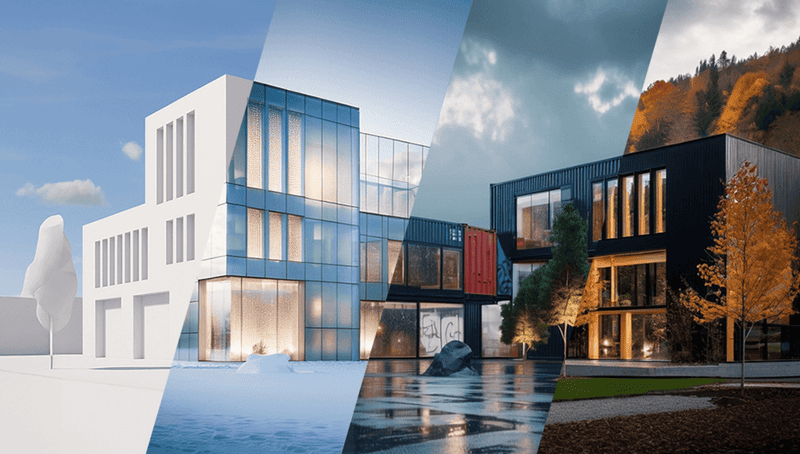
One of the trickiest parts of adaptive reuse is visualizing how to turn an old space into something new. When you’re working with outdated floor plans or structures that weren’t designed for modern needs, it takes a lot of creativity and planning.
Bluebeam helps by supporting 3D PDFs and layered visualizations. These tools allow teams to compare existing conditions with proposed layouts, identify potential issues, and see how everything fits together before construction begins. That way, fewer surprises pop up once the work starts.
Staying organized and compliant
Any renovation project requires a mountain of paperwork. Permits, inspection reports, compliance forms, design approvals, keeping it all organized can be overwhelming.
Bluebeam makes documentation easier by letting users apply digital stamps, create reusable templates, and compare document versions in just a few clicks. This not only helps during construction, but also makes future maintenance and audits simpler. You’ll always know where to find the latest signed version of any document.
Solving Problems as They Happen
Things don’t always go as planned on a job site. Maybe the measurements are off, or there’s hidden water damage. Instead of waiting until the next meeting to address issues, teams using Bluebeam can flag problems and suggest solutions on the spot.
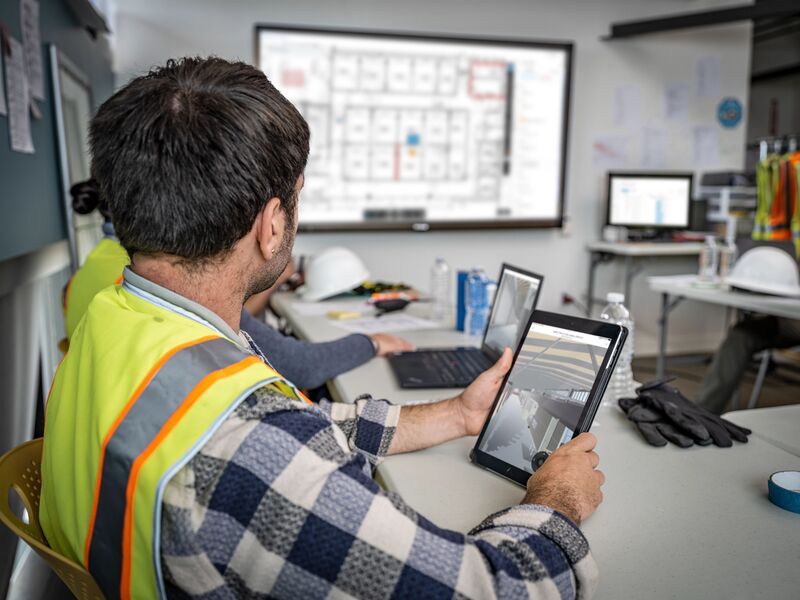
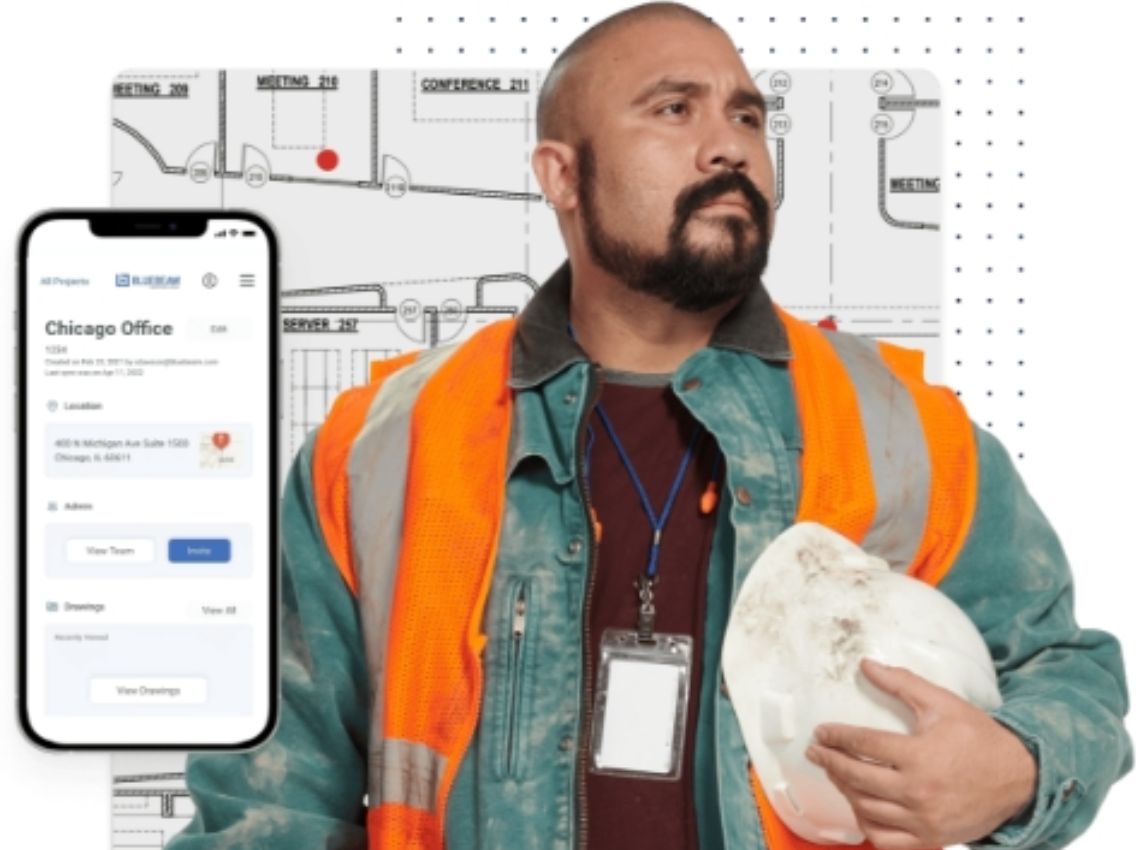
Using tablets or laptops, team members can make annotations directly on the digital plans. This real-time feedback keeps the project moving and helps everyone react quickly to unexpected changes.
Building smarter with what we already have
The buildings of tomorrow don’t all have to be new. In fact, many of the most sustainable solutions come from making better use of what’s already built. Adaptive reuse and retrofitting help reduce environmental impact, save money, and preserve local character.
Tools like Bluebeam are a huge part of making this possible. They streamline communication, improve planning, and help teams stay organized every step of the way. Whether it’s a small residential upgrade or a large commercial retrofit, Bluebeam helps professionals turn today’s buildings into tomorrow’s success stories.
Final Thoughts
As the world demands more sustainable, efficient, and resilient buildings, adaptive reuse and retrofitting are stepping into the spotlight. With so much riding on the success of these projects, having the right digital tools is more important than ever.
Bluebeam doesn’t just make project management easier, it helps transform how we approach building design, renovation, and collaboration. For teams looking to future-proof buildings in a smart and sustainable way, Bluebeam is a trusted partner every step of the journey.