Why do so many projects feel perfectly aligned in planning, only to struggle once execution begins?
That gap between planning, design, construction and operations has been a long standing challenge in the AECO industry. Teams often work with different tools, different data sets and different assumptions. Important context gets lost along the way. Decisions made early are hard to trace later. Autodesk is now taking a clear step to change that dynamic. Autodesk Forma now includes Autodesk Construction Cloud, bringing the entire project lifecycle into a single connected environment.
A shift toward one continuous AECO workflow
In the introduction of any discussion around this update, two names stand out immediately: Autodesk Forma and Autodesk Construction Cloud. Together, they represent a move toward a fully connected AECO cloud where projects no longer feel fragmented by phase or discipline.
Instead of treating planning, design, construction and operations as separate steps, Autodesk is positioning them as one continuous workflow. The same project context that informs early feasibility and environmental analysis can now follow the project through construction and into operations. That continuity is not just convenient. It fundamentally changes how teams collaborate and make decisions.
What it means for planning and early design
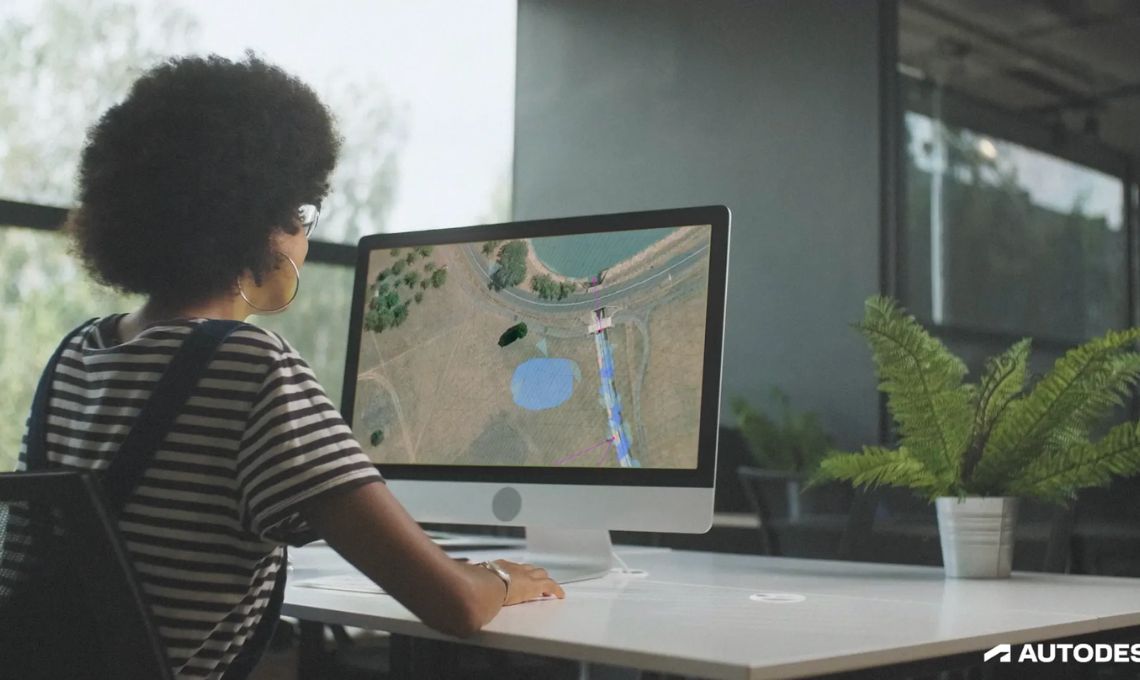
Autodesk Forma has always focused on the earliest stages of a project. Site analysis, massing studies, environmental performance and early design exploration are where many of the most impactful decisions are made.
With Autodesk Construction Cloud becoming part of Forma, those early decisions no longer live in isolation. Planners and designers can work knowing that their assumptions, data and intent will remain visible and usable later. Construction teams gain insight into why certain choices were made, not just what the final design looks like.
This shared context reduces rework and minimizes the risk of misunderstandings that often surface once a project moves on site.
Bringing construction intelligence upstream
One of the most important changes in this integration is the flow of construction intelligence into the same environment where ideas are created and refined.
Construction data, cost considerations, schedules and real world constraints can now inform planning and design much earlier. That feedback loop helps teams test scenarios more realistically. Instead of waiting until later phases to identify conflicts or inefficiencies, teams can address them when change is still relatively easy.
This approach supports faster, more confident decisions, especially on complex projects where small early choices can have major downstream impacts.
Stronger collaboration across disciplines
AECO projects rely on collaboration, but true collaboration requires more than shared files. It requires shared understanding.
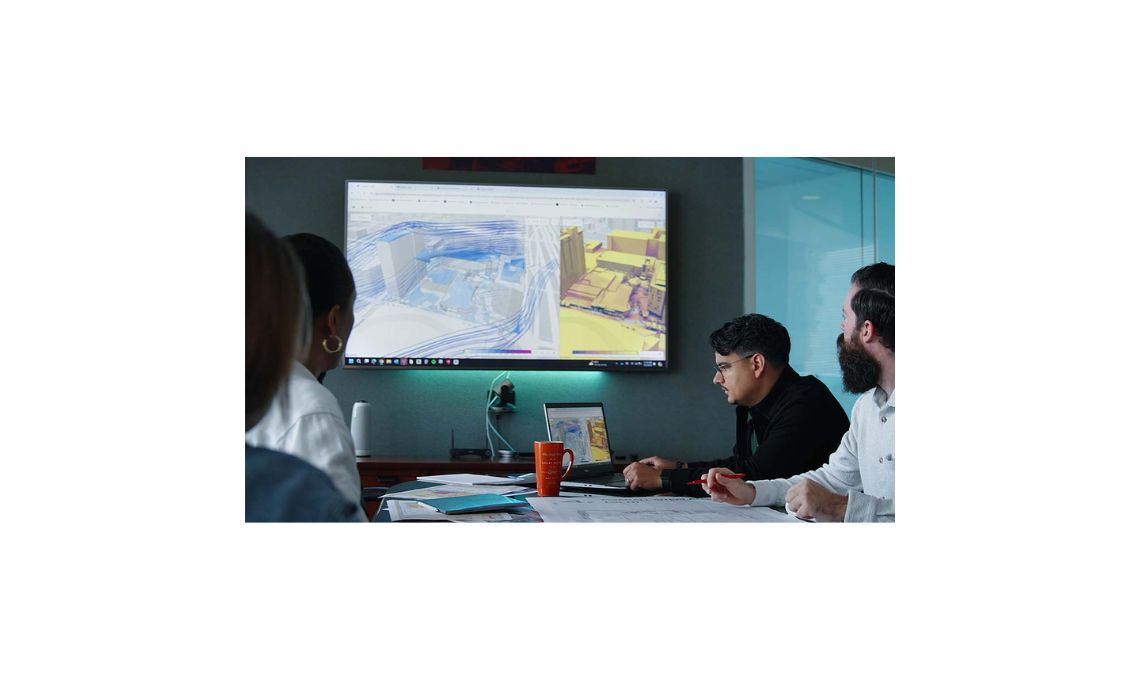
By unifying Autodesk Forma and Autodesk Construction Cloud, Autodesk creates a common platform where architects, engineers, contractors and owners work from the same source of truth. Everyone sees the project through the same lens, even if their roles and priorities differ.
That alignment helps break down silos that traditionally exist between disciplines. It also supports clearer communication, since teams are no longer translating information between disconnected systems.
AI driven insights and real time data
Another key benefit of this integration is the role of AI driven insights combined with real time environmental and design data.
Forma already supports data informed decision making in early stages. With construction intelligence added to the mix, AI can help teams understand tradeoffs more clearly. Performance, cost, risk and sustainability factors can be evaluated together, rather than in isolation.
This does not replace professional judgment. Instead, it augments it by making complex information easier to interpret and act on.
Supporting the full project journey
From the first sketch to long term operations, projects generate enormous amounts of data. Too often, that data becomes fragmented or underused as projects move from one phase to another.
A unified AECO cloud helps ensure that valuable information remains accessible and meaningful throughout the entire lifecycle. Owners and operators benefit from better handover data. Design and construction teams benefit from clearer expectations and outcomes.
The result is a project journey that feels more coherent, predictable and resilient.
Why this matters for the industry
This integration is more than a product update. It reflects a broader shift in how the industry thinks about digital platforms.
Rather than adding more tools for individual tasks, Autodesk is focusing on connection, continuity and context. That approach recognizes the reality of how projects actually work, across teams, phases and time.
For organizations looking to improve speed, clarity and confidence in delivery, a unified platform can make a meaningful difference.
Looking ahead
As Autodesk continues to evolve its platform, the inclusion of Autodesk Construction Cloud within Autodesk Forma signals a clear direction. Planning, design, construction and operations are no longer treated as separate worlds. They are part of a single, connected ecosystem.
For AECO professionals, this creates new opportunities to collaborate earlier, decide faster and deliver better outcomes.