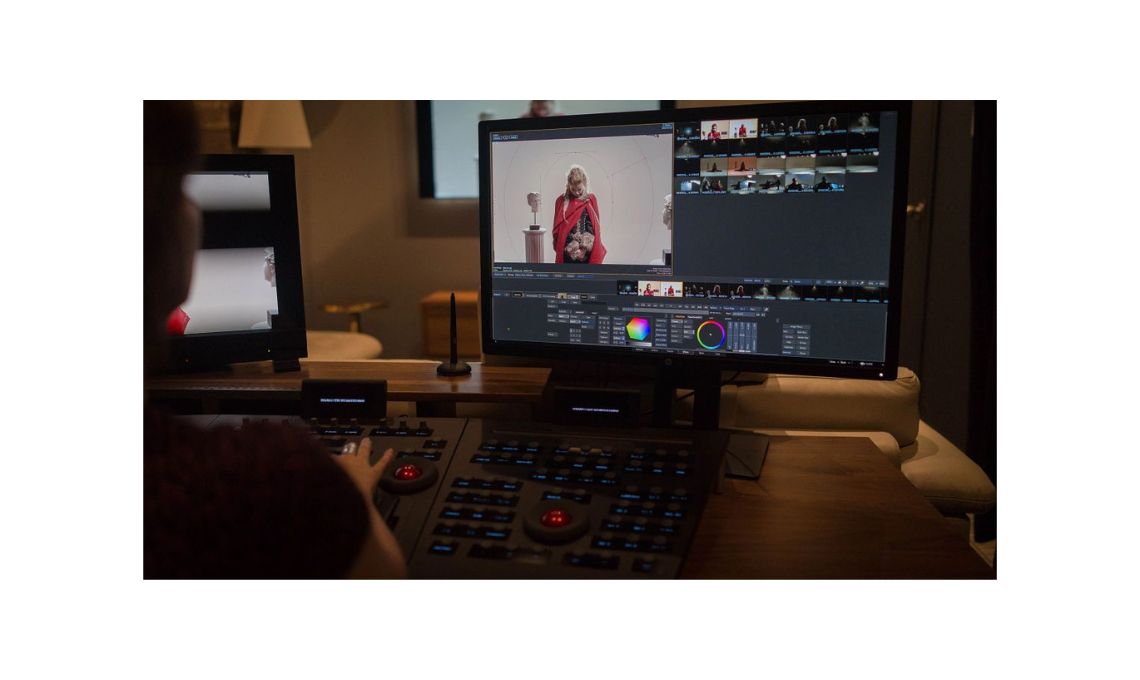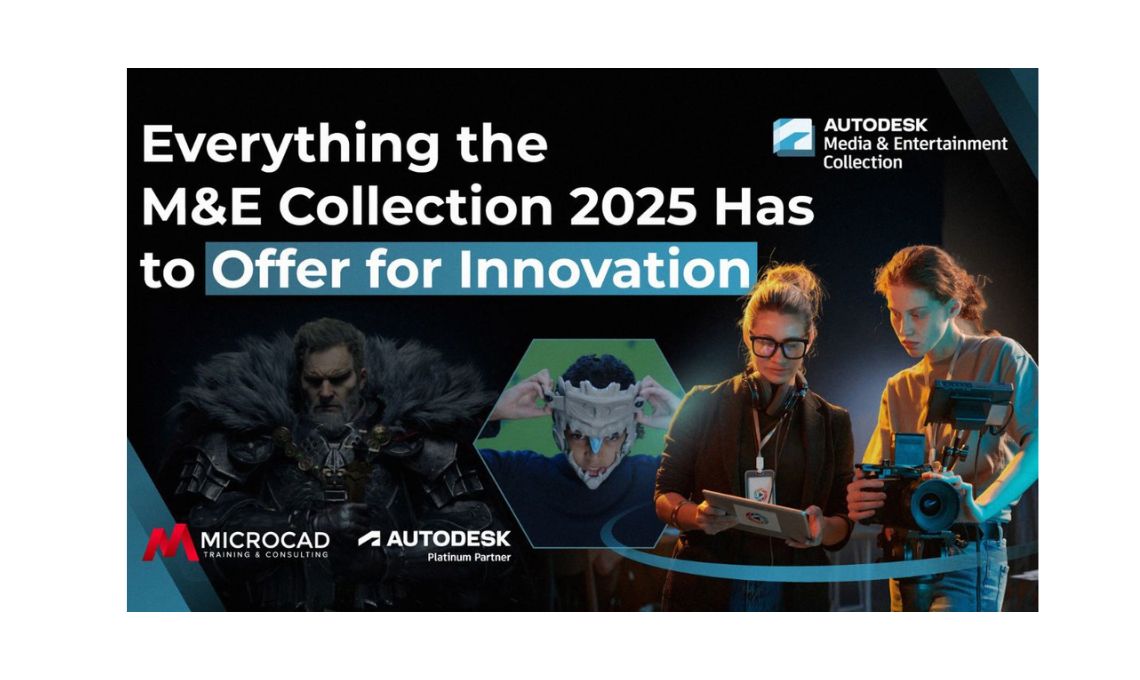
Have you ever wondered what really separates a good visual production from one that feels polished, immersive, and memorable?
Behind every standout animation, visual effect, or cinematic sequence is a production pipeline that balances creativity with technical precision. Tools matter, but how they work together matters even more. That is where the Media and Entertainment Collection plays a key role. By bringing together industry proven software into a single ecosystem, it helps studios and creators move smoothly from idea to final frame without losing creative intent along the way.
A unified toolkit for modern production
The strength of the Media and Entertainment Collection lies in its ability to support every stage of a modern content pipeline. Instead of relying on disconnected tools, teams gain access to a set of applications designed to work together.
From early concept development to final rendering and review, this collection helps reduce friction between departments. Artists can focus on storytelling and visual quality, while technical processes stay organized and predictable. This unified approach is especially valuable in productions where speed, consistency, and collaboration are critical.
Building strong foundations with Maya and 3ds Max
At the core of most productions are Maya and 3ds Max. These tools are widely used for modeling, animation, and effects across film, television, and games.
Maya excels in character animation, rigging, and complex simulations. It gives artists fine control over movement and performance, which is essential for believable characters and dynamic scenes. 3ds Max is often favored for environment creation, hard surface modeling, and architectural style assets, offering efficient workflows for detailed scenes.
Together, they provide flexibility. Teams can choose the right tool for each task while maintaining compatibility across the pipeline.
Cinematic rendering with Arnold
Visual quality often comes down to lighting, shading, and rendering. Arnold plays a central role here by delivering cinematic results with a focus on realism and consistency.
Arnold is known for its physically based rendering, which helps artists achieve natural looking lighting and materials. Because it integrates closely with Maya and 3ds Max, the transition from scene setup to final render is straightforward.
This consistency reduces guesswork and helps ensure that what artists see during look development closely matches the final output.
Enhancing performance with MotionBuilder and Golaem
Character performance is a major driver of emotional impact. MotionBuilder supports motion capture editing and animation refinement, allowing teams to work efficiently with complex character data.
For scenes that require large groups of characters, the Golaem plug in adds powerful crowd simulation capabilities. It helps create believable crowd behavior without the need to animate every character individually.
These tools expand what teams can achieve in terms of scale and realism, while keeping production manageable.
Adding detail with Mudbox
High detail sculpting and texture work bring assets to life. Mudbox supports this stage by providing intuitive tools for sculpting fine details and painting textures directly on models.
Whether refining facial features or adding surface imperfections, Mudbox helps artists push visual quality further. Its focus on detail complements the broader pipeline, ensuring that assets hold up even in close up shots.
Strengthening asset preparation and review
Asset preparation and review are often overlooked, but they are essential for smooth production. ReCap Pro supports reality capture and asset creation from real world data, which is increasingly important for projects that blend digital and physical elements.
Autodesk Flow Studio adds support for review and collaboration, helping teams share progress, gather feedback, and maintain alignment. These tools help reduce bottlenecks and keep everyone moving in the same direction.
Collaboration and iteration at scale
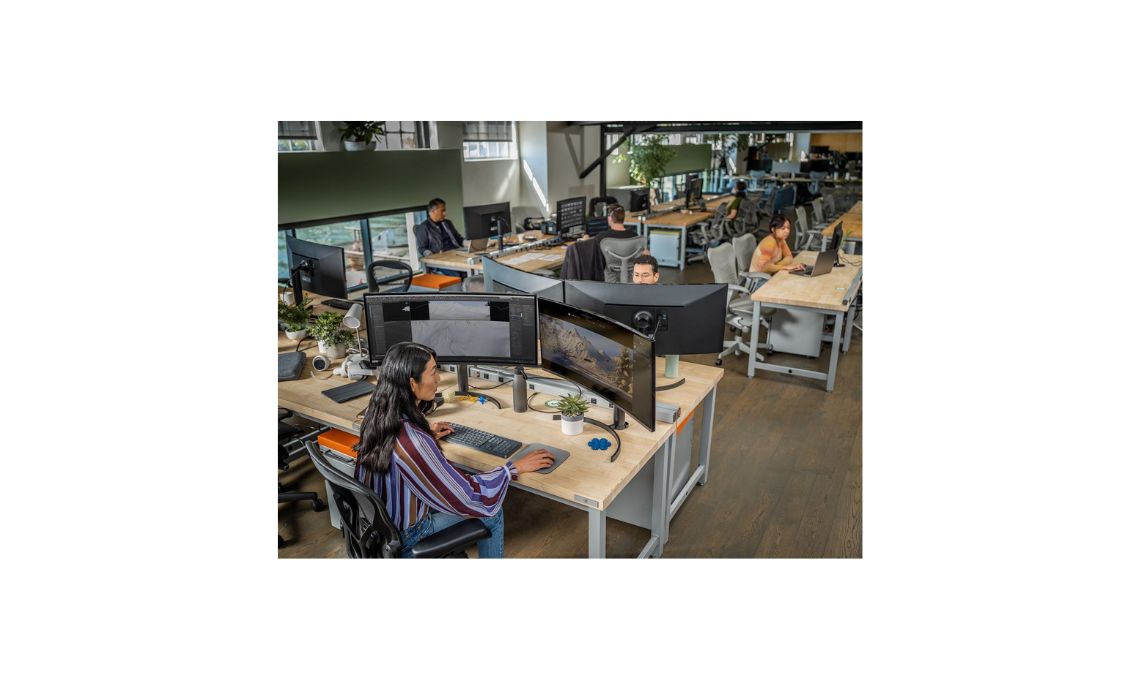
Modern productions rarely happen in isolation. Teams are often distributed, working across locations and time zones. The Media and Entertainment Collection supports this reality by enabling efficient collaboration and faster iteration.
Shared file formats, consistent workflows, and integrated tools make it easier to hand off work and respond to feedback. This helps teams iterate more quickly without sacrificing quality, which is critical in competitive creative environments.
Consistent quality from concept to final frame
When tools work together, quality becomes more predictable. The Media and Entertainment Collection helps teams maintain consistent creative standards throughout the production process.
From early modeling and animation to lighting, rendering, and final review, each stage builds on the last. This continuity supports stronger creative outcomes and reduces the risk of last minute surprises.
Looking ahead
Exceptional results do not come from any single tool. They come from a pipeline that supports creativity, performance, and collaboration at every step. By combining powerful applications into one cohesive collection, Autodesk helps creators focus on what matters most.