How often do retail teams make layout decisions without truly seeing how a space works until it is already built and stocked?
Retail space management has always been a mix of planning, experience, and trial and error. Floor plans, photos, and spreadsheets help, but they rarely capture how a store actually feels or functions. This is where 3D digital twin technology, especially through platforms like Matterport, is changing the way retailers understand and manage their spaces.
The Everyday Challenge of Managing Retail Space
Retail environments are dynamic. Product assortments change, seasonal displays come and go, and customer behavior shifts over time. Managing all of this within a physical space is not easy, particularly when decisions need to be made quickly or across multiple locations.
Traditional planning methods often rely on static drawings or manual measurements. While useful, they can miss important details such as sightlines, flow, and how customers interact with displays. As a result, teams may discover issues only after changes are implemented on the sales floor.
What a 3D Digital Twin Brings to Retail
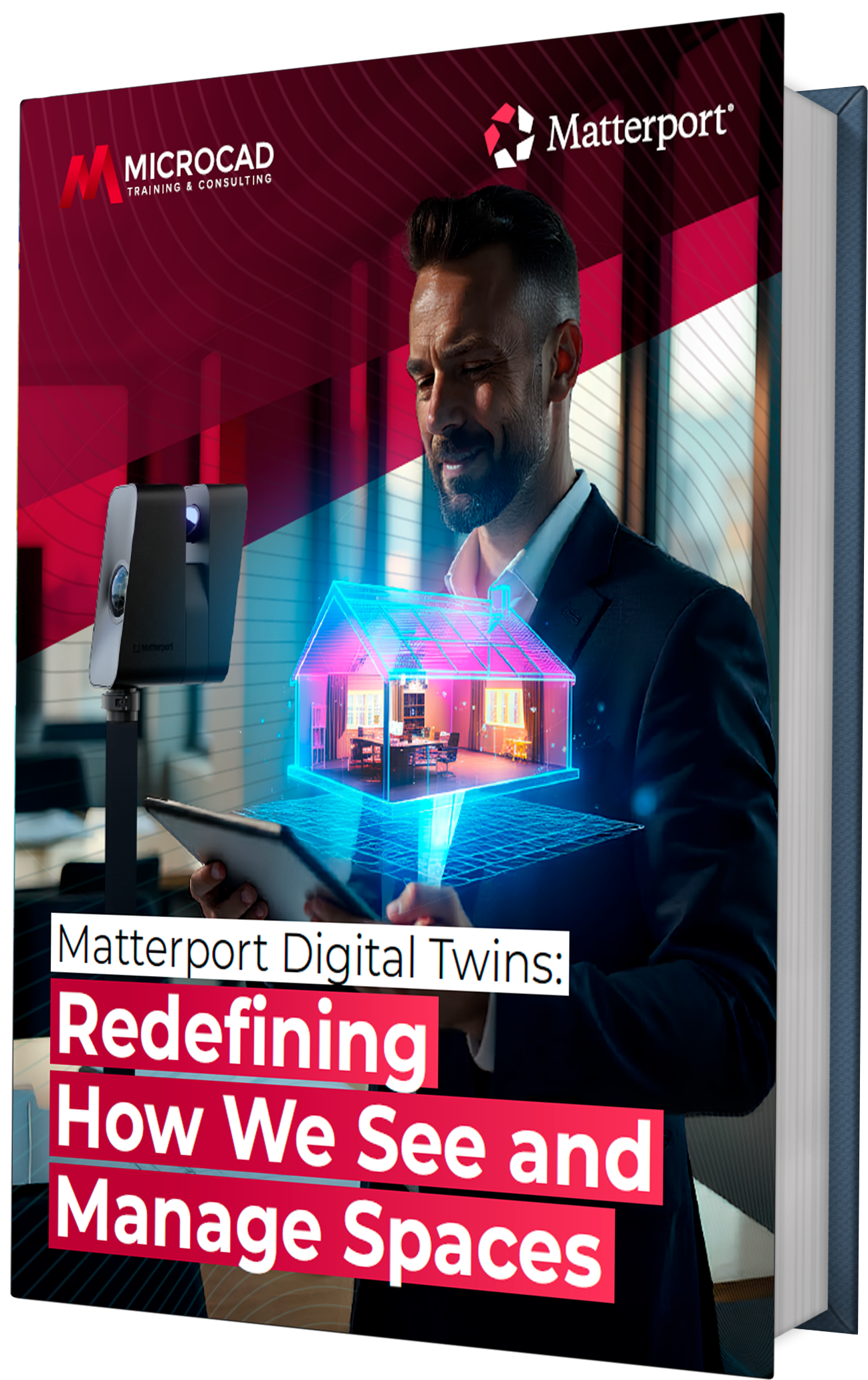
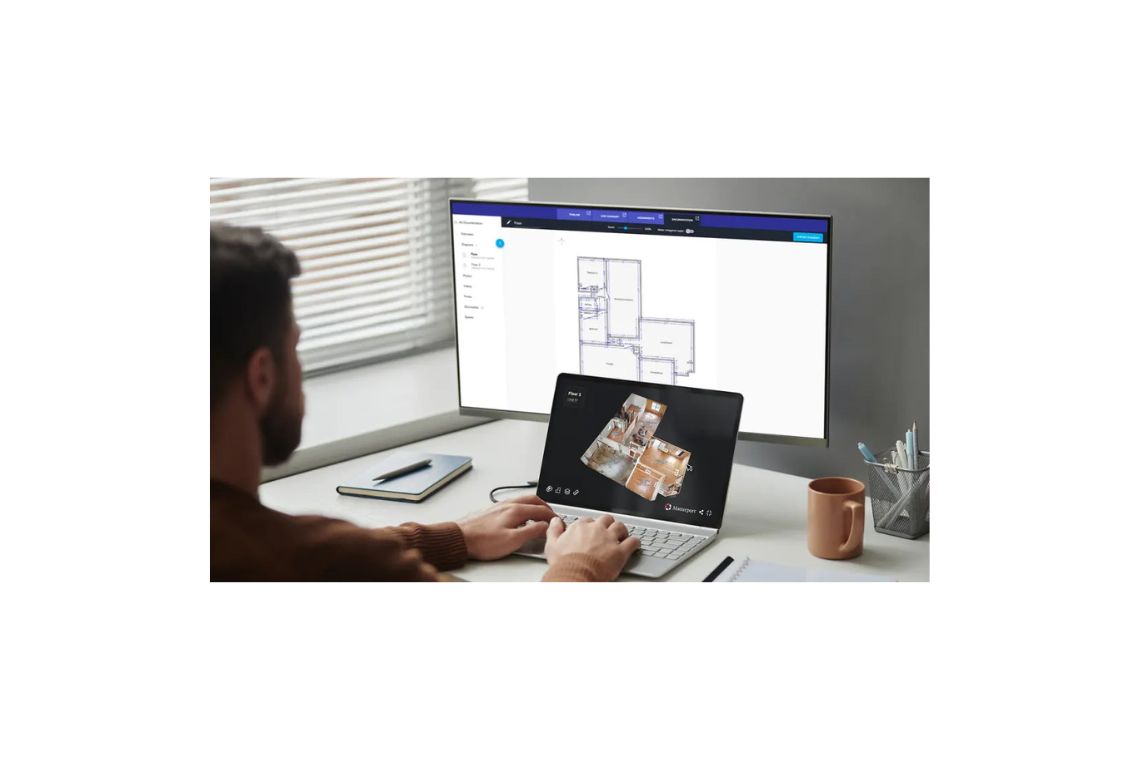
A 3D digital twin is a detailed, interactive representation of a real space. Using Matterport, retailers can capture an entire store and turn it into a navigable 3D model that reflects the actual layout, dimensions, and visual context.
This model becomes more than a record. It acts as a shared reference point that teams can explore remotely. From merchandising and operations to design and marketing, everyone can see the same space without needing to be physically present.
Seeing the Store as It Really Is
One of the biggest advantages of 3D digital twins is clarity. Instead of imagining how a plan might translate into reality, teams can see it directly. Fixtures, aisles, displays, and even ceiling heights are visible in context.
This realistic view helps teams spot potential issues early. A display that looks fine on paper may feel cramped in a 3D model. A promotional area may block visibility more than expected. Catching these details before making changes saves time and reduces costly adjustments later.
Planning and Testing Changes Virtually
Retailers constantly test new ideas, from layout updates to merchandising strategies. With a 3D digital twin, these changes can be planned and discussed virtually before anything moves on the floor.
Teams can review proposed adjustments using the existing store model, align on expectations, and refine ideas collaboratively. This virtual planning process helps reduce uncertainty and supports better decision making. It also allows teams to compare different scenarios and choose the option that best fits their goals.
Aligning Teams with a Shared Visual Reference
Retail operations often involve many stakeholders, sometimes spread across regions or countries. Communicating layout changes through emails or documents can lead to misunderstandings, especially when visual context is missing.
A 3D digital twin provides a common language. Instead of explaining where something is or how it should look, teams can simply point to the model. This shared understanding improves alignment between departments and helps ensure that execution on the ground matches the original plan.
Supporting Consistency Across Locations
For retailers with multiple stores, consistency is a constant challenge. Brand standards, merchandising guidelines, and customer experience goals all depend on how space is used across locations.
By capturing stores as 3D models, retailers can document layouts and use them as benchmarks. New stores, remodels, or pop-up concepts can reference existing models to maintain consistency. At the same time, local teams can adapt layouts while staying aligned with broader standards.
Understanding Space Through Behavior
Beyond layout and design, digital twins can support a deeper understanding of how space functions. When combined with insights about customer movement and behavior, teams can refine layouts based on how shoppers actually use the store.
This moves retail space management away from assumptions and closer to evidence. Decisions become more informed, whether the goal is to improve traffic flow, highlight key products, or reduce congestion in high-use areas.
A More Practical Way to Manage Retail Space
3D digital twin technology does not replace experience or creativity. Instead, it supports them with clearer information and better visibility. Matterport makes it easier for retail teams to document spaces accurately, collaborate remotely, and plan changes with confidence.
Visual planning with accurate 3D store models makes retail space management more precise, collaborative, and data-informed.
For retailers navigating constant change, having a reliable, visual understanding of their spaces can make a real difference. It turns space management into a more predictable and collaborative process, helping teams focus less on fixing problems and more on creating better in-store experiences.